Source eco friendly durable diving mask and fins set for diving, snorkeling, and swimming
Find 30 eco friendly durable diving mask and fins set options from verified Chinese suppliers. Compare models like MK100+SK100 and TX0011 with silicone materials, CE certifications, and customizable packaging for professional diving, snorkeling, and swimming training applications.
Key considerations
Products List


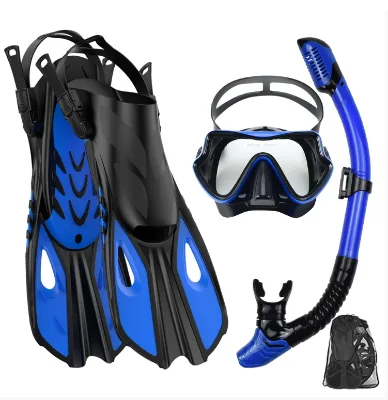


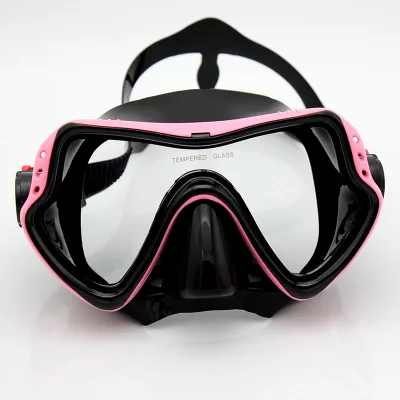
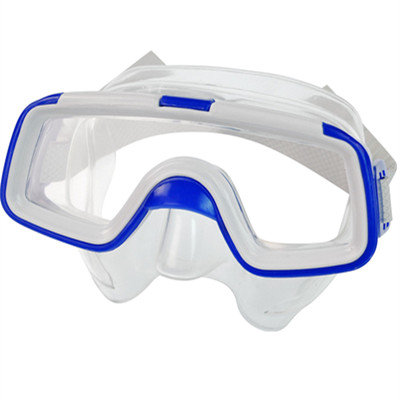
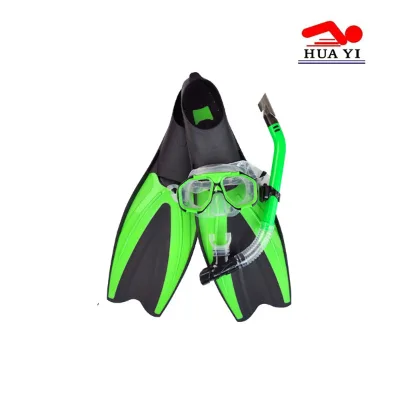


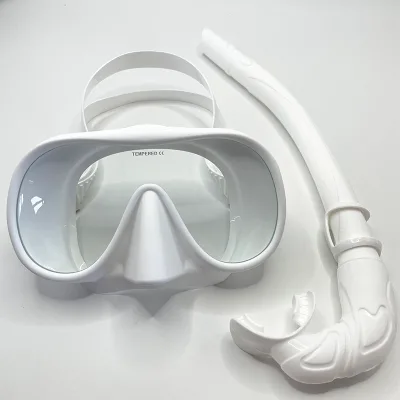
Comprehensive Sourcing Guide
Strategic Sourcing Guide for Eco-Friendly Durable Diving Mask and Fins Sets
The global demand for sustainable aquatic equipment has driven a significant shift in B2B procurement strategies, particularly for divers and training facilities seeking eco-friendly durable diving mask and fins sets. Buyers in this sector must navigate a complex landscape where material science, regulatory compliance, and supply chain transparency intersect. The core objective is to secure equipment that withstands the rigors of underwater environments while adhering to emerging environmental standards. This guide provides a comprehensive framework for evaluating potential suppliers, analyzing product specifications, and ensuring long-term value without relying on unverified market claims.
Technical Specifications and Material Composition
When sourcing diving masks and fins, the primary technical differentiator lies in the material composition. The supply chain data indicates a prevalence of silicone-based products, which are widely recognized for their flexibility, durability, and hypoallergenic properties. Specifically, observed product attributes list "Silicone" and "Silicone+PC" (Polycarbonate) as the dominant materials. Silicone is preferred for masks due to its ability to form a watertight seal against the face without causing irritation, while the addition of PC often enhances the structural integrity of the frame or lens housing in fin sets.
Buyers must scrutinize the specific formulation of these materials. While "Silicone" is a broad category, high-performance diving gear often utilizes platinum-cured silicone, which offers superior resistance to degradation from UV exposure and saltwater compared to standard liquid silicone rubber. The observed data also highlights specific product models such as MK100+SK100, MK103+SK904, and OPT-2600A, suggesting that manufacturers offer distinct configurations for different diving profiles. The "Type" attribute explicitly identifies items as "Diving Mask" and "dive flippers swimming training fins," indicating that the market includes both standalone masks and integrated sets.
Physical dimensions and weight are critical for user comfort and buoyancy control. Specifications in the dataset reveal a wide range of sizes, including "L" and "XL," alongside specific dimensions like "161*86mm" for standard sizing and "42X25X20 cm" for single package sizes. It is important to note that while some entries list a weight of "500kg," this is likely a data entry anomaly or refers to a specific bulk packaging metric rather than the product weight, as a single mask or fin set cannot weigh 500kg. Buyers should verify the "Single gross weight," which is observed at "5.000 kg" for certain packaged units, to accurately calculate shipping costs and logistics planning.
Compliance and Certification Verification
Navigating the regulatory landscape is essential for B2B buyers to ensure that imported equipment meets safety and quality standards. The observed data contains multiple certification references, including "CE," "ISO," and "ISOCCC." The "CE" marking is a mandatory conformity mark for products sold within the European Economic Area, indicating that the manufacturer has assessed the product and meets EU safety, health, and environmental requirements. The presence of "CE" alongside specific color codes (e.g., "ISOColor:Black," "ISOColor:Yellow") suggests that certification status may be linked to specific product variants or production batches.
However, buyers must exercise caution when interpreting certification data. The dataset lists certifications in conjunction with color attributes (e.g., "ISOColor:Blue," "ISOColor:Red"), which implies that the certification might be specific to certain colorways or that the data reflects a mix of attributes rather than a universal product guarantee. The "ISOCCC" reference appears alongside "CE," suggesting a potential combination of international standards, though the exact scope of this standard requires direct verification with the supplier.
Compliance checks should extend beyond the presence of a logo. Buyers must request valid test reports from accredited laboratories that correspond to the specific model numbers, such as MK-2603 or MA-2400. The "Standard" attribute in the data lists values like "252525" and "CE," which may refer to packaging dimensions or regulatory codes. To ensure authenticity, procurement teams should verify that the "prod_standard" matches the actual regulatory requirements of the destination market. For instance, if the equipment is destined for the United States, additional certifications like FDA compliance for materials in contact with skin might be necessary, even if not explicitly listed in the initial data.
Cost Drivers and Pricing Dynamics
Understanding the cost structure of diving equipment is vital for budgeting and margin analysis. The observed price range in the dataset spans from 0.5 to 20 USD. This wide variance suggests a market segmented by quality, material grade, and brand positioning. The lower end of the spectrum likely corresponds to basic training fins or entry-level masks, while the higher end may reflect premium silicone blends, advanced lens technologies, or specialized packaging.
Several factors influence the final unit cost. The "Customization" attribute is listed as "Available," which typically incurs additional costs for mold development, color matching, and branding. Products described as "Customized" or offering "Special Color" options will generally command a higher price point than standard black or navy blue models. Furthermore, the "Packaging" requirements significantly impact costs. Options range from simple "PE Bag" and "Blister Bag" to more robust "Hard Case" and "Carton" solutions. The "Single package size" of 42X25X20 cm indicates that bulk shipping efficiency is a key cost driver; larger packaging increases volumetric weight and freight charges.
The "MOQ" (Minimum Order Quantity) range of 1 to 500 units provides flexibility for different buyer profiles. Small retailers or testing entities may start with low quantities, while large distributors will negotiate based on higher volumes. Buyers should be aware that customization often raises the MOQ, as manufacturers need to amortize the setup costs for specific molds or color formulations. The "Selling Units" attribute indicates that some items are sold as single units, while others may be packaged as sets, which affects the per-unit economics.
Typical Applications and Usage Scenarios
The "Usage" attribute explicitly identifies "Diving" as the primary application, but the data also mentions "swimming training fins," indicating a dual-purpose market. This versatility allows buyers to target both professional diving operations and recreational swimming programs. The "Applicable Age Group" is listed as "Adult," suggesting that the primary design focus is on mature divers who require precise fit and durability.
Specific product models like "M308+SN117" and "TX0011" imply specialized configurations for different diving depths or environments. For example, masks with specific lens types or fin blade stiffness are often optimized for freediving, scuba diving, or snorkeling. The "Feature" attribute highlights "Eco-Friendly," "Anti-Slip," and "Comfortable" as key selling points. The "Anti-Slip" feature is particularly relevant for fins used in wet, rocky environments or on boat decks, while "Comfortable" refers to the silicone skirt's ability to distribute pressure evenly around the face.
Buyers should also consider the "Condition" of the products, which is listed as "New." This confirms that the supply chain deals in fresh inventory rather than refurbished goods. The "Brand Name" "AC" appears in the data, but buyers should remain open to OEM (Original Equipment Manufacturer) or ODM (Original Design Manufacturer) partnerships where the brand name can be customized. The "Place of Origin" varies between "China," "Shenzhen," and "Ningbo," indicating a concentrated manufacturing hub in the Pearl River and Yangtze River deltas, known for their supply chain efficiency in rubber and plastic goods.
Supplier Evaluation and Quality Control
Evaluating suppliers requires a multi-faceted approach that goes beyond the initial product listing. The "prod_packing" attribute lists various options, including "Blister Package," "Hard Case," and "Carton." A supplier's ability to provide robust packaging is a proxy for their attention to detail and commitment to product protection during transit. The "Customized" attribute suggests that suppliers are willing to adapt packaging to client needs, which is a positive indicator of flexibility.
Quality control (QC) protocols must be rigorous, especially given the safety-critical nature of diving equipment. Buyers should verify that the supplier has implemented ISO standards, as referenced in the "Certification" data. The presence of "ISOColor" designations in the data is unusual and may indicate internal quality grading systems; however, buyers should not assume this is a standard industry certification without further documentation. Instead, they should request third-party inspection reports that cover tensile strength, seal integrity, and material toxicity.
The "Weight" attribute of "500kg" in the dataset is a significant outlier that warrants immediate clarification. If this refers to the weight of a pallet or container, it highlights the need for accurate logistics planning. If it refers to the product itself, it is likely an error. Buyers must clarify such discrepancies during the supplier evaluation phase to avoid misunderstandings. Additionally, the "Feature" of being "Eco-Friendly" should be substantiated with evidence of sustainable manufacturing practices, such as the use of recycled materials or energy-efficient production processes, rather than relying solely on marketing claims.
Long-Term Procurement Considerations
Sourcing diving equipment is a long-term commitment that requires strategic planning for inventory management and product lifecycle. The "Lead time" and "Location" data, while not explicitly quantified in the dataset, are critical for supply chain resilience. Suppliers located in "Shenzhen" and "Ningbo" benefit from established logistics networks, but buyers should still establish clear communication channels to monitor production schedules.
The "Customization" capability is a key long-term asset. As market trends shift towards more sustainable and specialized gear, the ability to customize colors, logos, and packaging will allow buyers to differentiate their offerings. The "Packaging: customize" attribute confirms that suppliers are prepared to handle bespoke requests. However, buyers should ensure that customization does not compromise the "Condition" or "Durability" of the product.
Finally, buyers should consider the "Single gross weight" and "Single package size" for future shipping optimization. As order volumes grow, consolidating shipments and optimizing packaging dimensions can significantly reduce freight costs. The "Selling Units" being "Single item" suggests that the market is moving towards modular sales, allowing buyers to mix and match masks and fins to create custom bundles. By maintaining a focus on verified specifications, robust quality control, and flexible supplier relationships, buyers can secure a reliable supply of eco-friendly durable diving mask and fins sets that meet the evolving demands of the global market.
Comparative Analysis of Product Attributes
To assist in the decision-making process, the following table summarizes key observed attributes from the supply data, highlighting the variability in specifications and certifications.
| Attribute Category | Observed Values | Implications for Buyers |
|---|---|---|
| Material | Silicone, Silicone+PC | Silicone offers flexibility; PC adds frame rigidity. Verify curing type for durability. |
| Certification | CE, ISO, ISOCCC | CE is mandatory for EU. Verify specific test reports for ISO/ISOCCC claims. |
| Product Type | Diving Mask, Dive Flippers | Ensure the set matches the intended activity (scuba vs. training). |
| Packaging | Blister Bag, Hard Case, Carton | Hard cases increase protection but cost more; verify bulk shipping efficiency. |
| Origin | China, Shenzhen, Ningbo | Concentrated manufacturing hubs; verify logistics lead times from these locations. |
| Customization | Available, Customized | High flexibility for branding and colors, but may increase MOQ and cost. |
| Size/Model | L, XL, MK100+, OPT-2600A | Wide range of models; verify fit and compatibility with specific diving gear. |
| Features | Eco-Friendly, Anti-Slip, Comfortable | Validate "Eco-Friendly" claims with material safety data sheets (MSDS). |
This comparative analysis underscores the importance of due diligence. While the data provides a snapshot of available options, the variability in certifications and specifications necessitates a tailored approach to sourcing. By focusing on verified attributes and maintaining a rigorous evaluation process, buyers can mitigate risks and secure high-quality diving equipment that aligns with their operational and environmental goals.
FAQs
What materials are used for eco friendly durable diving masks?
The primary materials observed are silicone and silicone combined with polycarbonate. Silicone offers flexibility and a watertight seal, while polycarbonate enhances frame durability for long-term use in underwater environments.
Which certifications should I verify for diving equipment safety?
Look for CE and ISO certifications as key compliance markers. Some listings also reference ISOCCC, but buyers must request valid test reports for specific models to ensure they meet destination market safety standards.
Can I customize the color and packaging for bulk orders?
Yes, customization is available for colors like black, green, yellow, and special shades. Buyers can also select packaging options ranging from blister bags to hard cases or cartons to meet specific branding needs.
What is the typical price range for these diving sets?
The observed price range spans from 0.5 to 20 USD per unit. Costs vary based on material grade, customization requirements, and packaging type, with entry-level training gear at the lower end and premium sets higher.
How do I determine the correct size for adult divers?
Sizes such as L and XL are available to fit adult age groups. Buyers should also check specific dimensions like 161*86mm or package sizes of 42X25X20 cm to ensure proper fit and shipping logistics.
Where are these diving masks and fins typically manufactured?
Products originate from China, specifically from manufacturing hubs in Shenzhen and Ningbo. These locations offer established supply chains for rubber and plastic goods, ensuring efficient production and logistics for international buyers.